


 Language: English












Solutions
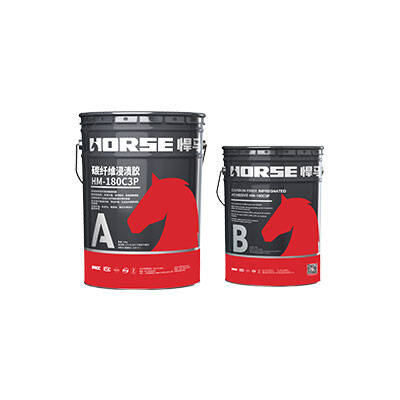
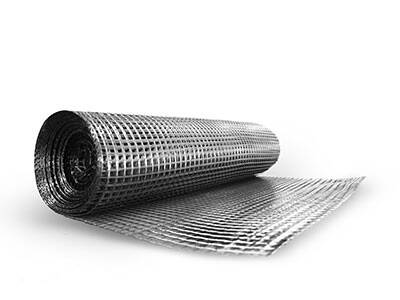
Horse Construction offers full range of structural strengthening materials with technical supports, documentation supports, products supports, project supports.
FRP Fiber Reinforced Polymer
A wide range of strengthening techniques is currently available to repair earthquake-damaged buildings and structures with insufficient seismic performance.
1. Local modification of structural components
2. Elimination or mitigation of plan and vertical irregularities and abrupt changes in stiffness
3. Enhancement of overall structural stiffness
4. Strengthening of the structure's overall load-bearing capacity
5. Reduction of the building's self-weight
6. Base isolation
7. Supplemental energy dissipation
FRP (Fiber-Reinforced Polymer) strengthening falls under the category of local modification of structural components and can comprehensively improve a building's overall seismic performance.
Three key advantages of using FRP for seismic strengthening:
(a) Component level: Eliminate brittle failure and enhance component ductility and load-bearing capacity
- Prevent shear failure in unconfined beam-column joints, shear failure in beams and columns, and bond-slip failure at reinforcement lap splices;
- Increase the flexural capacity of concrete components;
- Confine longitudinal reinforcement to prevent buckling;
- Enhance the plastic rotation and deformation capacity of components.
(b) Global structural level: Improve displacement capacity and energy dissipation
Following FRP strengthening, the structure can undergo greater deformation and dissipate more seismic energy, significantly improving the seismic performance of the concrete structure.
(c) Minimal impact on structural self-weight and stiffness
FRP materials are lightweight and thin; the structural stiffness and mass remain virtually unchanged after strengthening, generally eliminating the need to re-evaluate seismic demand;
If the project requires increased global stiffness, localized FRP strengthening can be combined with traditional strengthening methods (such as section enlargement or steel bracing).
Core design principles for seismic retrofitting with FRP
1) . Core design principle: Capacity-protected design (strong-column/weak-beam; shear capacity > flexural capacity)
By grading load-bearing capacities, plastic hinges are controlled to form at favorable locations—such as beam ends—during an earthquake, thereby establishing a stable energy-dissipation mechanism;
2) . Critical failure control: FRP debonding
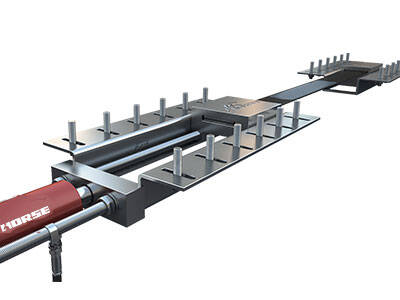
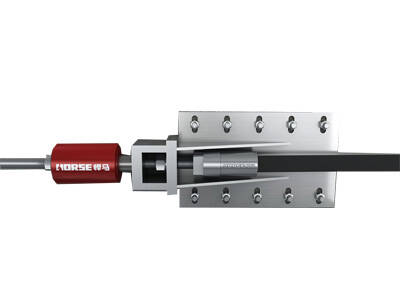
If the structural member is not fully wrapped with FRP, debonding becomes the governing brittle failure mode, necessitating a ductility check; debonding can be prevented through reliable anchoring;
You can find anything here you are in need of, have a trust trying on these products, you will find the big difference after that.

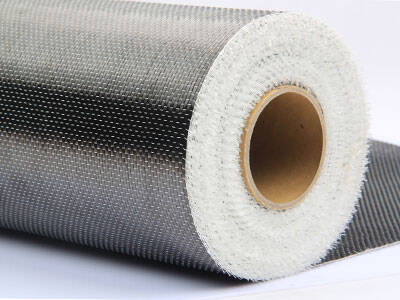
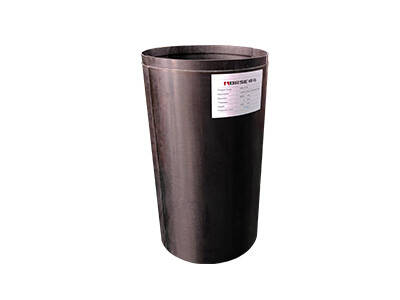
High strength, unidirectional carbon fiber wrap pre-saturated to form a carbon fiber reinforced polymer (CFRP) wrap used to strengthen structural concrete elements.

High strength, unidirectional carbon fiber fabric pre-saturated to form a carbon fiber reinforced polymer (CFRP) fabric used to strengthen structural concrete elements.

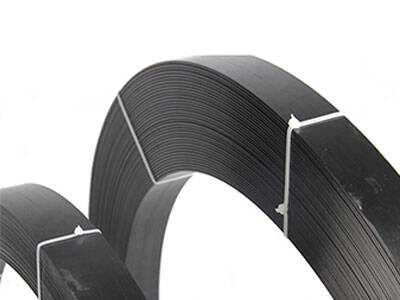
High strength, unidirectional carbon fiber sheet pre-saturated to form a carbon fiber reinforced polymer (CFRP) sheet used to strengthen structural concrete elements.
