


 Language: English











Solutions
Horse Construction offers full range of structural strengthening materials with technical supports, documentation supports, products supports, project supports.
Core Updates & Emerging Changes for CFRP Strengthening (2023–2025)
Below are the most impactful updates and emerging revisions (2023–2025) relevant to carbon fiber reinforcement (CFRP), plus their implications for design and construction.
1. Enhanced Environmental Durability & Reduction Factors
Key Change:
Updated exposure-specific reduction factors (λ) for CFRP in aggressive environments (coastal salt spray, industrial chemicals, freeze-thaw cycles), aligned with ASTM D7565 accelerated aging test data.
Interior: λ=0.95 (unchanged).
Coastal/marine: λ=0.85 (down from 0.90; stricter for long-term salt corrosion).
Industrial (chemical fumes): λ=0.80 (newly specified for unventilated facilities).
Why It Matters:
Prevents overestimating CFRP strength in harsh conditions, critical for infrastructure like bridges and waterfront buildings.
2. Refined Design for Shear & Flexural Strengthening
Flexure: Added simplified equations for CFRP plate/strip design, reducing calculation complexity while retaining alignment with ACI 318 load combinations.
Shear: New provisions for U-wrap vs. side-bonded CFRP—U-wraps now require a minimum 150 mm overlap at ends, with a strength adjustment factor (φ=0.85) for anchorage reliability, addressing common debonding risks.
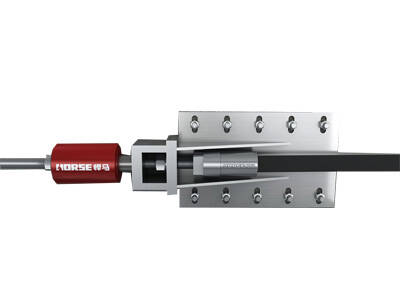
Anchorage: Mandates mechanical anchorage (e.g., FRP anchors, steel plates) for CFRP in high-shear or seismic zones (Seismic Design Category C+), not just reliance on adhesive bonding.
3. Material Specification & Quality Control Upgrades
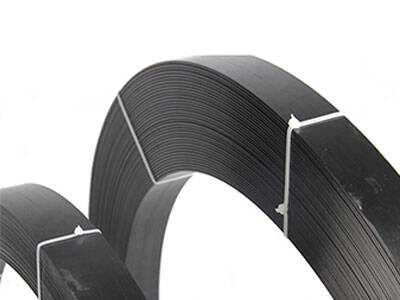
CFRP Fabric/Plate Standards: Tightened compliance with ACI SPEC 440.8-13 (Reapproved 2023)—minimum tensile strength ≥3400 MPa, modulus ≥230 GPa, and resin matrix glass transition temperature (Tg) ≥80°C for outdoor use.
Installation QC: New requirements for ultrasonic testing (UT) of bond quality—minimum 95% bond coverage (up from 90%), with clear rejection criteria for voids >50 mm².
Documentation: Mandates third-party certification of CFRP materials, linking batch test reports to project design files.
4. Seismic & High-Performance Structure Provisions
Seismic Updates: Aligned with ACI 318-23—CFRP-strengthened columns must meet ductility ratios (μ≥4) and use strain-compatible CFRP (elongation ≥1.5%) to avoid brittle failure during earthquakes.
High-Load Applications: New design guidance for CFRP in prestressed concrete and heavy industrial floors, with adjusted φ-factors (φ=0.80 for prestressed, φ=0.85 for industrial) to account for dynamic loads.
5. Digital Integration & Construction Efficiency
BIM Compatibility: Added CFRP material libraries for BIM tools (Revit, Tekla), standardizing properties like thickness, strength, and bond behavior for clash-free design.
Installation Best Practices: Updated step-by-step workflows for wet layup, emphasizing ambient temperature control (15–30°C) and minimum 7-day curing before load application, reducing on-site errors.
You can find anything here you are in need of, have a trust trying on these products, you will find the big difference after that.

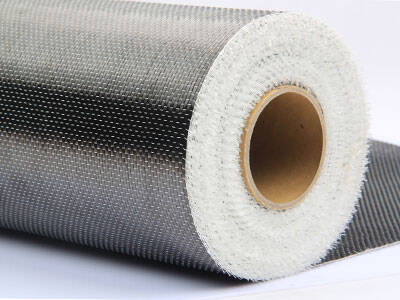
High strength, unidirectional carbon fiber wrap pre-saturated to form a carbon fiber reinforced polymer (CFRP) wrap used to strengthen structural concrete elements.

High strength, unidirectional carbon fiber fabric pre-saturated to form a carbon fiber reinforced polymer (CFRP) fabric used to strengthen structural concrete elements.

High strength, unidirectional carbon fiber sheet pre-saturated to form a carbon fiber reinforced polymer (CFRP) sheet used to strengthen structural concrete elements.
