Language: English











Bridge Pier Strengthening in Spain
Advanced Carbon Fiber Products
After carbon fiber strengthening, the structural performance of all strengthened pier bases was comprehensively upgraded: shear bearing capacity and concrete confinement performance were significantly improved; structural shear utilization ratio fully complied with safety limits
| Item | Detail |
|---|---|
| Project Name | A6 Madrid–ACoruña High-Speed Railway Bridge |
| Location | Provincial border of Segovia/Valladolid, Castilla y León, Spain |
| Intervention Scope | 12 pier columns, base zone strengthening |
| Design Standards | ACI 440.2R-17, fib Bulletin 14 |
| Completion | 2026 |
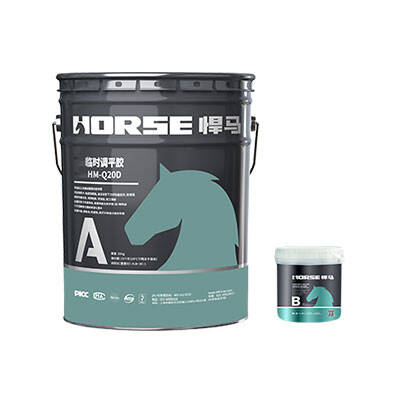
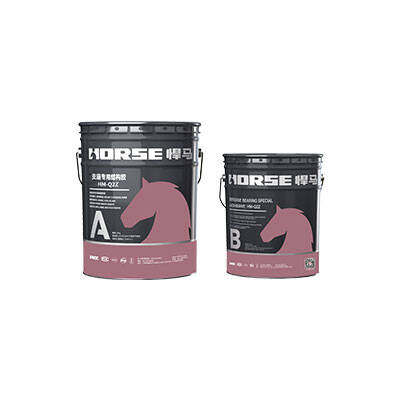
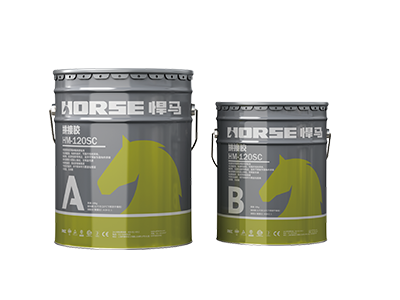
| Strengthening System | Horse Construction CFRP Wrapping System |

Structural Background
The A6 Madrid–A Coruña high-speed rail corridor constitutes a core strategic transportation artery in northern Spain. The viaduct involved in this project crosses a shallow valley on the Segovia–Valladolid section, supported by 12 reinforced concrete circular piers with heights ranging from 8 m to15 m.
Systematic structural inspection conducted in accordance with the Spanish national bridge asset management programme identified obvious structural deterioration at the base zone of multiple piers. In contrast, the mid and upper sections of all column shafts remained structurally sound with only negligible minor defects, confirming damage was highly localized and limited to the column-foundation connection region.
Defect Assessment & Root Cause Analysis
Observed Structural Defects
All degradation phenomena were concentrated within the 0–2.5 m base zone of the piers, matching the structural critical stress zone under service and seismic load combinations.
Defect Type | Description | Severity Level |
|---|---|---|
Corrosion-Induced Cracking | Horizontal and diagonal flexural-shear cracks developed at column bases, triggered by transverse reinforcement corrosion | Moderate–Severe |
Concrete Cover Spalling | Localized concrete delamination and cover loss, exposing stirrups with sectional steel reduction | Moderate |
Base Interface Splitting Cracks | Fine vertical cracks at pier-foundation junction caused by concentrated foundation reaction stress | Minor |
Efflorescence & Moisture Leaching | Persistent moisture ingress and calcium dissolution, accelerating concrete carbonation and steel corrosion | Minor |
Structural Evaluation & Strengthening Objectives
Evaluation results verified that the axial bearing capacity of the piers remained sufficient for design requirements, while the base zone exhibited insufficient shear resistance, flexural capacity and concrete confinement performance under ultimate and seismic load combinations, failing current code safety criteria.

CFRP Strengthening
The CFRP external strengthening scheme was engineered to achieve three targeted structural upgrades without modifying the original structural geometry or affecting operational clearance:
- Long-Term Durability Restoration: Seal existing cracks, isolate corrosive media, terminate ongoing carbonation and chloride erosion, and extend the structural service life significantly.
- Shear Capacity Reinforcement: Compensate for degraded transverse steel performance, restore code-compliant shear bearing capacity, and eliminate structural overstress risk.
- Seismic Performance Upgrade: Enhance concrete confinement at the plastic hinge zone of column bases, improve structural ductility and energy dissipation capacity, and upgrade the overall seismic classification to meet high-level ductility requirements.

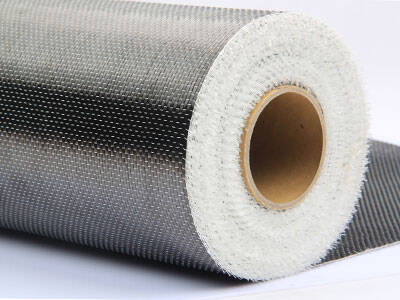
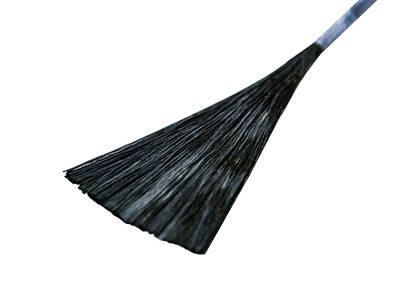
Horse HM-300 high-strength unidirectional carbon fiber fabric, high durability and corrosion-free performance.
Strengthening Effect & Project Summary
After CFRP strengthening, the structural performance of all strengthened pier bases was comprehensively upgraded: shear bearing capacity and concrete confinement performance were significantly improved; structural shear utilization ratio fully complied with safety limits; seismic ductility class was upgraded from medium ductility (DCM) to high ductility (DCH); and the overall service life of the structure was extended by more than 30 years.