Language: English











Cracks Repair of Concrete Bridge
Pre-stress Carbon Fiber Laminates
If left untreated, these cracks are highly likely to propagate throughout the entire web section, and even extend to the bottom or top flange, affecting the structural durability and load-bearing safety. To ensure the long-term service life and driving safety of the bridge, reliable reinforcement techniques must be employed for treatment.


On the busy highway bridge, the structure silently bears the pulse of urban development. However, years of heavy load testing have resulted in significant vertical cracks in the bridge's web—these are not only structural "scars" but also a potential safety hazard for its continued operation.
If left untreated, these cracks are highly likely to propagate throughout the entire web section, and even extend to the bottom or top flange, affecting the structural durability and load-bearing safety. To ensure the long-term service life and driving safety of the bridge, reliable reinforcement techniques must be employed for treatment.

Causes of crack formation:
• Design aspects: Early beam designs prioritized economy, resulting in thin webs and insufficient stirrup reinforcement, leading to low shear bearing capacity reserves. Under dynamic loads, shear cracks are prone to occur, reducing overall stiffness and bearing capacity.
• Construction factors: These include support detachment, inaccurate formwork positioning leading to insufficient web thickness, and uneven concrete pouring quality, all of which weaken the web's shear resistance.
• Environmental effects: Shrinkage and creep exacerbate crack development.


"Proactive" reinforcement
Traditional methods for reinforcing web cracks (such as bonding steel plates or increasing the cross-section) have limited effectiveness and suffer from problems such as complex construction, increased self-weight, and reduced clearance under the bridge. In contrast, prestressed carbon fiber laminate reinforcement technology offers significant advantages:
• Significant Enhancement: Ordinary carbon plates are "passively stressed" (only participating in stress after beam deformation), while prestressed carbon laminates "actively apply prestress," preemptively offsetting some of the tensile stress in the T-beam and significantly improving the beam's bending capacity (strengthening efficiency is more than 30% higher than ordinary carbon plates).
• Reduced Beam Deformation:Prestressing can suppress the deflection deformation of the T-beam and delay or even close existing cracks (more effective for strengthening T-beams with cracks).
• Minimal Impact on Self-Weight:Carbon laminates are lightweight (only 1/4 the weight of steel), and the prestressing process requires no additional heavy equipment, thus not increasing the additional load on the T-beam.
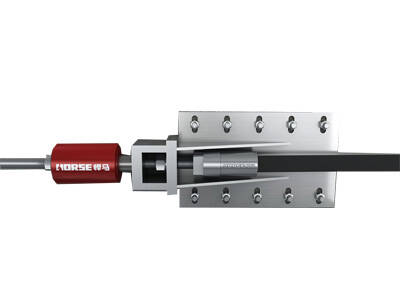
• Excellent Durability:Carbon laminates are corrosion-resistant and anti-aging, and the prestressed anchoring system (such as matching anchors) has strong stability, making it suitable for long-term outdoor structures like bridges.
• Convenient construction: Compared with bonding steel plates or increasing the cross-section for reinforcement, the construction process of prestressed carbon laminates is simpler (tensioning + bonding in one step), and has less impact on traffic and construction period.


Reinforcement Solution
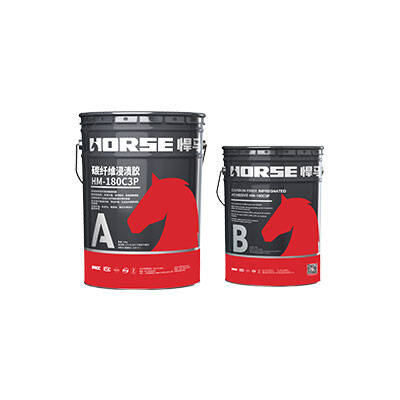
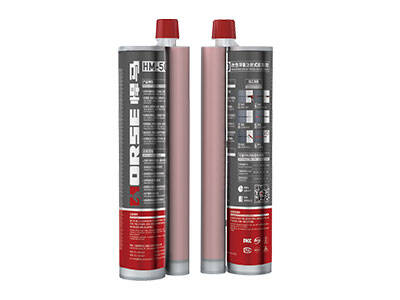
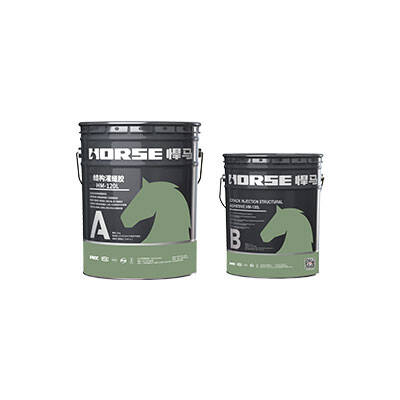
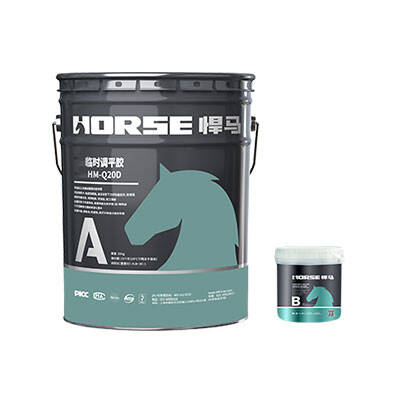
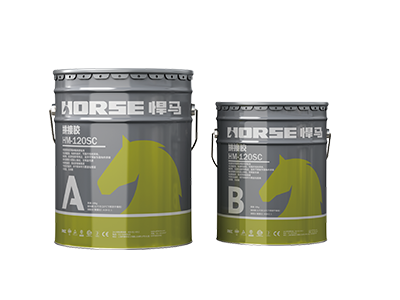
• Crack Repair: Repair the crack surface with sealant, then inject HM-120L to repair cracks that have seeped into the concrete.
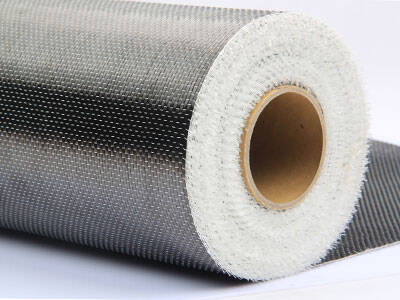
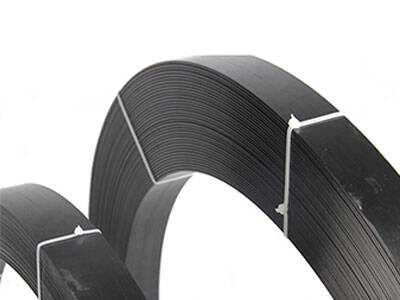
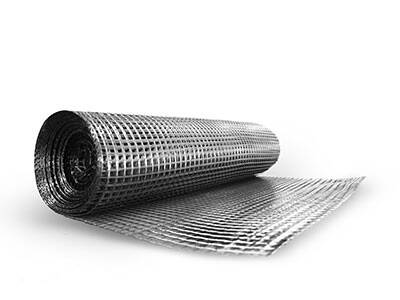
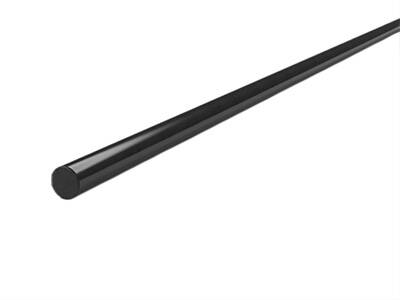
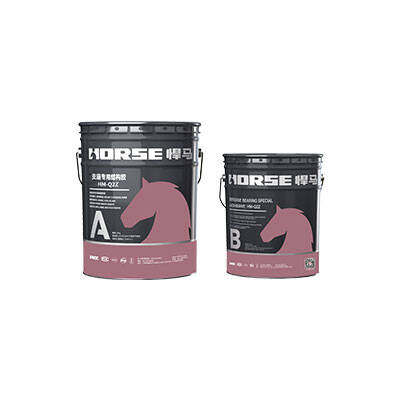
• Carbon Fiber Laminate Bonding: Bond 2mm thick and 100mm wide prestressed carbon fiber laminates longitudinally along the base slab, with appropriate reinforcement in the mid-span area to form a composite load-bearing system.
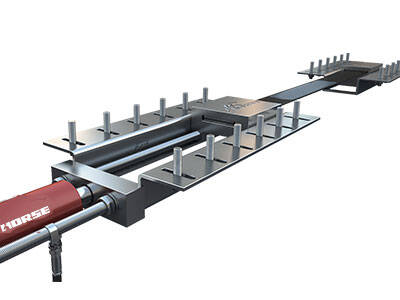
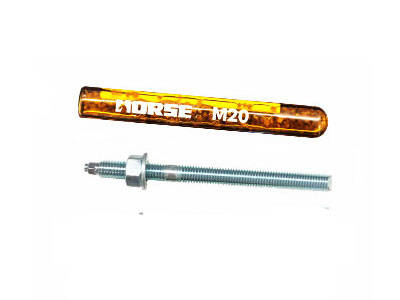
• Anchoring System: Employ a matching anchoring system to ensure stability and durability.